
Key Takeaways
- Google holds healthcare content to a stricter standard than most industries.
- Your medical content may be classified as “Your Money or Your Life.”
- E-E-A-T signals like credentials and trust directly affect your rankings.
- You don’t need a marketing team to create content that performs well on search and AI engines.
You don’t have a marketing department. You might not even have a front-desk person who knows what SEO means. But roughly 7% of all daily Google searches are health-related, and those patients are picking providers based on what they find.
A healthcare content strategy doesn’t require a team of ten. It requires a system of four steps and the discipline to follow them. It also requires understanding why Google treats your content differently than almost anyone else’s.
Table of Contents
Why Google Holds Healthcare Content to a Higher Standard

Health content sits in a special category that triggers stricter quality checks. When your page gives advice about symptoms, treatments, or medications, Google treats it like financial or legal guidance. A wrong answer could hurt someone.
That means low-quality health pages get pushed down in search results faster than a poorly written recipe blog or travel guide. And 52% of Americans worry that the health content they read online isn’t credible. Google knows this, so its algorithms prioritize accuracy and trust signals above almost everything else in healthcare search results.
Even a well-intentioned blog post can damage your rankings if it lacks proper sourcing or author credentials.
The “Your Money or Your Life” Content Classification
Google calls this category YMYL (Your Money or Your Life). It covers any topic where bad information could harm a reader’s health, finances, or safety. Your practice website falls squarely in this bucket.
A fitness blogger can publish a mediocre article about stretching and still rank on page one. You can’t. If your blog post about managing hypertension lacks cited sources, a visible author bio, or current clinical guidelines, Google’s quality systems will suppress it. The bar is higher because the stakes are higher.
Healthcare organizations must also follow strict regulations like HIPAA and GDPR in all content. Misinformation during events like the COVID-19 pandemic made Google even more aggressive about filtering unreliable healthcare content. Solo practitioners aren’t exempt from any of these standards.
GET IN TOUCH
Get 30 New Patients in 60 Days
Your practice doesn’t need more clicks.
It needs patients in chairs and revenue on the books.
We’ll build you a full patient acquisition system—HIPAA-compliant, clinician-approved, and tied to results you can actually measure.
E-E-A-T: How Google Judges Your Content Quality

Google uses a specific framework to judge whether your content deserves to rank. It’s called Experience, Expertise, Authoritativeness, and Trustworthiness – or EEAT.
For a solo practitioner, this framework is actually good news. You have real clinical experience. You have credentials. You just need to make those things visible on your website so Google (and patients) can see them.
Experience and Expertise
Experience means you’ve personally done the thing you’re writing about. If you’re a dermatologist writing about acne treatment, Google wants evidence that you’ve treated acne patients. This isn’t something you can fake, and it’s something most marketing agencies can’t replicate without your involvement.
Show this by adding a detailed author bio to every blog post. Include your license type, your specialty, and how long you’ve been practicing. When discussing treatment approaches, reference de-identified case examples. Keep those examples within HIPAA guardrails by removing any details that could identify a patient.
Content must be accurate, up-to-date, and backed by clinical data to satisfy Google’s quality standards.
Expertise works alongside experience but focuses on your formal training. Your medical degree, residency, and board certifications all count here. A patient who managed their own diabetes has experience, but you have both experience and expertise. Google weighs that combination heavily for medical practices.
Authoritativeness and Trustworthiness
Authoritativeness is about reputation. Google looks at whether other credible sources reference you or your practice. Displaying board certifications and clinical credentials directly strengthens this signal. If you’ve written journal articles, presented at conferences, or been quoted in news stories, link to that work from your website.
Trustworthiness covers the technical and editorial signals that tell Google your site is safe and honest. These include HTTPS encryption, cited medical sources in your articles, and transparent “medically reviewed by” disclosures. Consistent NAP (your name, address, and phone number listed the same way across every directory and your branded practice pages) also plays a role.
What Should a Healthcare Content Strategy Include?

A healthcare content strategy has four parts: audit, plan, create, and measure. Each step feeds the next, and skipping any one of them leaves gaps that cost you traffic and patient trust over time.
Step 1: Audit Your Existing Content
Open Google Search Console and look at what you already have. You’re searching for three things: pages with declining traffic over the past six months, posts with outdated medical guidance, and pages missing an author bio with your credentials.
Most solo practitioners skip this step entirely. They start writing new posts while old ones quietly drag down their site’s credibility. A page recommending a treatment protocol from 2019 doesn’t just confuse patients. It signals to Google that your site isn’t well-maintained, which can hurt your overall search visibility.
Spend one hour reviewing your top 20 pages. Flag anything that needs updating, merging, or removing. That single hour gives you a clear picture of where you stand before you write a single new word.
Step 2: Choose Your Core Topics
Pick three to five content pillars based on what you actually treat. Think about the questions patients ask during intake. “What causes lower back pain?” and “How long does physical therapy take?” are real searches from real people.
Keyword research matters here, but don’t get lost in clinical terminology. Patients don’t search for “lumbar radiculopathy management.” They search for “sciatica relief” or “why does my leg go numb.” Your content pillars should match the language patients use, not the language you’d use in a chart note. This approach also supports your broader healthcare marketing plan by focusing effort where patient demand already exists.
Step 3: Build a Simple Content Calendar
A content calendar (a schedule that maps out what you’ll publish and when) is a practical tool for solo practitioners. Two to four posts per month is realistic. More than that leads to burnout and abandoned blogs by month three.
Service-focused blog posts targeting local queries (e.g., “varicose vein treatment in Prescott, AZ”) are one of the most practical tactics for independent practices. Batch your writing into a single session each month. Block three to four hours on a quiet afternoon, outline all your posts, and draft them back to back.
If possible, tie at least one post per month to a seasonal health awareness event.
Breast Cancer Awareness Month in October, Heart Health Month in February, and Mental Health Awareness Month in May all give you built-in relevance. Patients are already searching for these topics during those windows, and your content meets them there. Connecting your calendar to local SEO for doctors strengthens your visibility in your geographic area.
Step 4: Write, Publish, and Measure
Publishing is only half the work. After each post goes live, you need to track what happens. Google Analytics 4 shows you how much organic traffic each page receives. Search Console shows which keywords are driving clicks and where you rank.
Watch three numbers:
- organic traffic growth,
- appointment requests from your website, and
- keyword movement for your target conditions.
Don’t judge results after two weeks. A post published today may not rank for eight to twelve weeks. Give your content a full three to six months of consistent publishing before deciding whether your healthcare marketing strategies are working.
The measurement step is where most people quit too early, but the thing is, content marketing compounds. Month one feels like nothing is happening. By month four, posts start ranking and referral traffic builds on itself.
The 4-step content strategy cycle (repeat every quarter)
- Audit what you have: Open Google Search Console. Flag pages with declining traffic, outdated medical guidance, or missing author bios. Unresolved content debt can undermine both visibility and trust.
- Pick your core topics: Choose 3-5 content pillars based on conditions you treat and questions patients ask at intake. Use patient language, not clinical jargon.
- Create on a realistic schedule: Publish 2-4 posts per month. Batch your writing into one session. Tie posts to seasonal health awareness months for built-in relevance.
- Measure and loop back: Track organic traffic, appointment requests, and keyword movement in Google Analytics 4 and Search Console. Wait 3-6 months before judging results, then feed findings back into your next audit.
↻ After Step 4, return to Step 1. Each cycle sharpens your strategy.
Each quarterly cycle gets easier because you’re building on real data, not guesses. The feedback loop between measuring and auditing is what separates a real healthcare content strategy from random blogging.
GET IN TOUCH
Get 30 New Patients in 60 Days
Your practice doesn’t need more clicks.
It needs patients in chairs and revenue on the books.
We’ll build you a full patient acquisition system—HIPAA-compliant, clinician-approved, and tied to results you can actually measure.
How to Create Content That Meets Google’s Standards Without a Full Team

You need clear habits around three things: patient-first writing, visible credentials, and HIPAA compliance in every piece you publish.
Write for Patients First, Search Engines Second
- Aim for a 7th to 8th grade reading level in every post
- Answer one specific question per article, not five
- Cite at least one medical source for every clinical claim
- Use short paragraphs and subheadings so patients can scan
Writing this way satisfies E-E-A-T and keeps patients on your page longer. When someone searches “how long does a sprained ankle take to heal,” they want a direct answer with a credible source. Not a 2,000-word essay packed with medical jargon.
Add Your Credentials to Every Post
- Include a visible author bio on every blog post
- List your license type, years in practice, and specialties
- Add schema markup (code that tells Google what your page is about) to your author bio
- Link to any published research or professional profiles
That author bio isn’t vanity. It’s a trust signal Google actively looks for on health content. A post about managing diabetes carries more weight when Google can verify the author is a licensed endocrinologist with 15 years of experience. Schema markup makes this information machine-readable, which gives you an edge over competitors who skip it.
Stay HIPAA-Compliant in Every Piece of Content
- Never use patient names, photos, or identifiable details without written HIPAA consent
- When sharing outcomes or case examples, use only de-identified data
- Remember that even responding to Google reviews requires HIPAA awareness
- Avoid confirming or denying that someone is your patient in any public forum
This is the area where good intentions create real legal risk. You might want to share a patient success story to build trust. That’s fine, but only with documented written consent and a clear understanding of what you can and can’t say. Even a well-meaning reply to a negative Google review can violate HIPAA if you confirm a treatment relationship. When in doubt, keep responses generic and move the conversation offline.
Do You Need More Than Blog Posts?
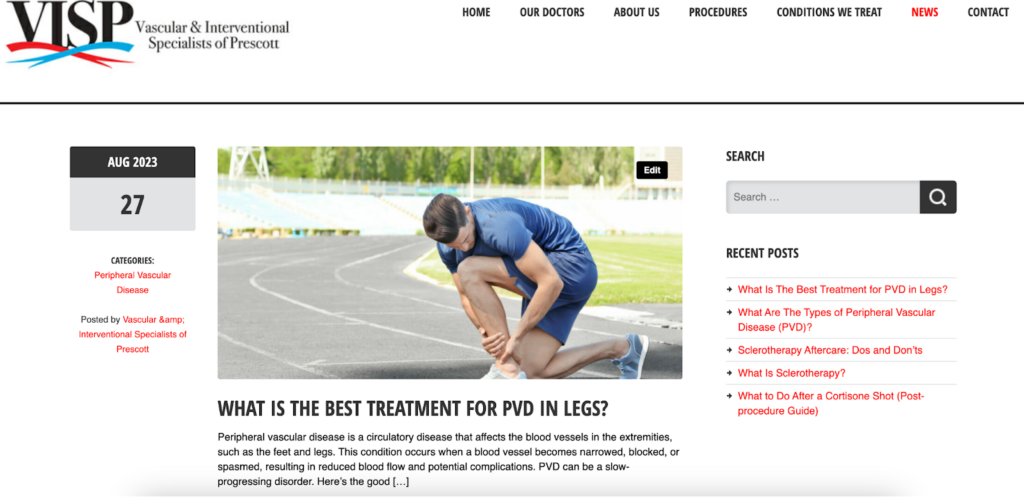
Solo practitioners can realistically produce several other content types without hiring anyone.
- FAQ pages for the five to ten questions patients ask most at intake
- Short videos (60-second patient education clips) filmed on your phone
- Email newsletters that repurpose your blog content monthly
- Condition-specific landing pages designed to convert visitors into appointments
- Downloadable patient education guides that compile related posts into one resource
The real power comes from treating each blog post as reusable content blocks you can repurpose across channels. One post about managing seasonal allergies becomes a social caption and an email segment. It also becomes an FAQ answer and a section of a medical video marketing campaign. You multiply your output without multiplying your time. This content repurposing approach is how solo practitioners compete with larger organizations that have dedicated marketing teams.
| Format | Time to produce | Best use case | Repurposing tip |
|---|---|---|---|
| Blog post | 2-4 hours | Target local search queries for conditions you treat | Break into a social caption + an email segment + an FAQ answer |
| FAQ page | 1-2 hours | Answer the top 5-10 questions patients ask at intake | Pull answers from existing blog posts |
| Short video (60 sec) | 30-60 minutes | Quick patient education clips for social media | Transcribe into a blog section or email snippet |
| Email newsletter | 1-2 hours | Repurpose blog content to stay top-of-mind with existing patients | Use one blog post as the main story each month |
| Condition-specific landing page | 3-5 hours | Convert organic visitors into appointment requests | Reuse content blocks from related blog posts |
| Downloadable patient guide | 2-3 hours | Offer a free resource patients can save and share | Compile 2-3 related blog posts into one PDF |
Not every format will fit your schedule. If you can only manage blog posts and one FAQ page per month, that’s a solid start. Add video or email when you’ve built a consistent publishing rhythm, not before.
GET IN TOUCH
Get 30 New Patients in 60 Days
Your practice doesn’t need more clicks.
It needs patients in chairs and revenue on the books.
We’ll build you a full patient acquisition system—HIPAA-compliant, clinician-approved, and tied to results you can actually measure.
How to Know If Your Content Strategy Is Working
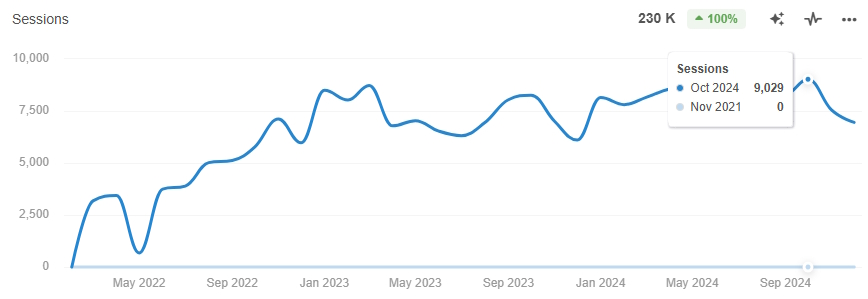
Four metrics tell you whether your content is pulling its weight.
- Organic traffic growth from Google Search Console, measured month over month
- Keyword rankings for the specific conditions you treat and the locations you serve
- Appointment requests that originate from organic search traffic in Google Analytics 4
- Google Business Profile actions like phone calls, direction requests, and website clicks
These four KPIs connect your content directly to patient volume. Vanity metrics like page views or social shares don’t tell you if someone actually booked. Focus on the numbers tied to real patient engagement strategies and revenue.
Content Marketing Compounds Slowly
A blog post you publish today probably won’t rank for 8 to 12 weeks. That’s normal, not a sign of failure. Expecting paid-ad speed from an organic strategy is the most common reason practices quit too early. Content marketing builds on itself over 3 to 6 months, and the practices that quit after 30 days never see the payoff.
Check your numbers monthly, but judge results quarterly. If traffic and rankings are climbing, even slowly, the system is working.
Audit Five Pages This Week, Then Decide Who Should Write the Rest
The core action is straightforward: audit your existing content, pick three topics your patients actually search for, and publish twice a month for 90 days. That’s roughly two hours per week of focused writing, sourcing, and formatting. It’s real time, and no one should pretend otherwise.
If those hours don’t exist in your schedule, that’s exactly why clinician-led marketing teams exist. We pair clinical writers with healthcare SEO and content marketing strategy so the system runs without you drafting a single post. Schedule a free website analysis and find out how many patients your content should already be bringing in.
Frequently Asked Questions
What makes healthcare content different from other types of website content?
Google classifies health content as YMYL, meaning topics where bad information can harm readers. Standards are stricter, and low-quality pages get suppressed faster.
What is E-E-A-T, and why does it matter for my practice?
It stands for Experience, Expertise, Authoritativeness, and Trustworthiness. Google uses it to decide whether your health content deserves to rank.
How often should a solo practitioner publish new content?
Two to four posts per month is realistic. Publishing more than that leads to burnout and abandoned blogs by month three.
How long does it take for a new blog post to show results?
A post published today may not rank for eight to twelve weeks. Judge results over a full three to six months of consistent publishing.
Do I need a patient’s permission before sharing their story in a blog post?
Yes. You must have documented written consent before using any patient names, photos, or identifiable details in your content.
What four numbers should I track to know if my content is working?
Track organic traffic, keyword rankings, appointment requests from search, and Google Business Profile actions like calls and direction requests.
What does a content audit actually involve?
Open Google Search Console and flag pages with dropping traffic, outdated medical guidance, or missing author bios. One hour covers your top twenty pages.
Can one blog post be used in more than one place?
Yes. One post can become a social caption, an email segment, an FAQ answer, and a short video script without writing anything new.
Why does my author bio matter on a healthcare blog post?
Google actively looks for visible credentials on health content. A bio listing your license, specialty, and years of experience is a direct trust signal.
What are the four steps of a healthcare content strategy?
Audit what you have, choose your core topics, build a publishing schedule, then measure results and loop back into your next audit.
GET IN TOUCH
Get 30 New Patients in 60 Days
Your practice doesn’t need more clicks.
It needs patients in chairs and revenue on the books.
We’ll build you a full patient acquisition system—HIPAA-compliant, clinician-approved, and tied to results you can actually measure.
Need help with content marketing?
Get a custom strategy built on clinical experience — not generic marketing playbooks.
