Key Takeaways
- Optimizing your Google Business Profile helps local patients find you when they search for nearby care in the “Map Pack.”
- Targeted PPC campaigns for specific procedures bring in new patients faster than organic SEO.
- Automated text requests help you keep high star ratings, which builds patient trust and improves your reputation.
- Short-form videos feel real and grab attention better than long, polished content.
- AI chatbots and automated recall systems help fill your schedule by reaching patients 24/7, without extra work for your staff.
77% of patients search online before they even book an appointment. That means if your hospital doesn’t show up where patients are looking, you’re losing them to other hospitals nearby.
The right marketing moves can bring in more patients and build your reputation at the same time. In this guide, you’ll learn real tactics that actually work in 2026.
Table of Contents
1. Optimize your Google Business Profile to win local search
A lot of hospitals put all their energy into their main website and forget about the Map Pack. That’s the block of 3–4 local business listings that pops up at the top of Google when someone searches for care nearby. To land in that spot, you need to optimize your Google Business Profile (GBP).
This is something you can do right now, and it can boost your calls and foot traffic fast. It works better than standard website optimization and is a key part of local SEO for reaching local patients.
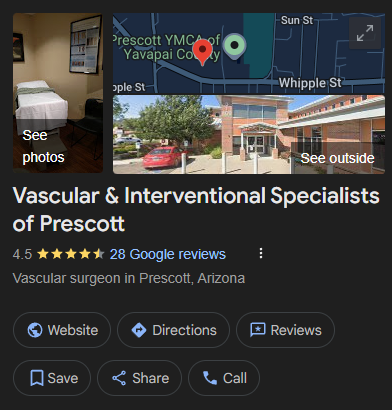
Set up your profile the right way.
- Claim and verify your listing. Make sure you own the main hospital profile and individual profiles for your top doctors.
- Add high-quality photos. Upload pictures of the building exterior, waiting rooms, and friendly staff faces.
- Post weekly updates. Share changes in hours, new services, or flu shot availability right on the profile.
- Fill out the Q&A section. Pre-write answers to common questions like “Do you accept walk-ins?” so patients get instant answers.
2. Run targeted PPC campaigns for fast results
If you need new patients this week, you can’t wait for organic rankings to climb. Investing in Google Ads is the fastest way to get noticed. Instead of advertising your whole hospital, build campaigns around specific, high-value procedures.
Pick the right campaign focus.
- “Near Me” keywords. Bid on terms like “urgent care near me” or “emergency room near me” to catch people searching right now.
- Service-line specifics. Create ads for “knee replacement surgery” instead of a general “orthopedics” ad.
- Competitor targeting. Bid on keywords related to other hospitals so you can offer a second opinion or shorter wait times.
3. Build a review system that runs on autopilot
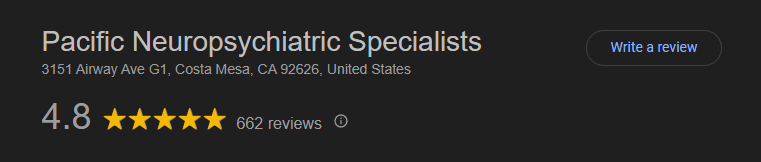
Reputation management isn’t something you can skip anymore. A recent study shows that 72% of patients will only pick a doctor with a 4-star rating or higher. If your reviews are outdated or negative, patients will scroll right past you.
You need a system that brings in fresh, positive reviews on autopilot. This builds social proof (the idea that people trust what others recommend) and strengthens your SEO strategy.
Build a review system that runs itself.
- Use automated texts. Send a text message about 2 hours after an appointment asking for feedback.
- Train your front desk. Teach staff to mention reviews during checkout (for example, “We’d love to hear about your visit today”).
- Respond to everything. Reply to both positive and negative reviews within 24 hours to show you care.
4. Start a physician liaison program for steady referrals
Digital marketing is huge, but real human relationships still drive referrals. A physician liaison is a person who visits local family doctors and general practitioners to build connections with your hospital’s specialists. This is a medium-term strategy that creates a steady flow of patient referrals over time.
Get the program off the ground.
- Hire a dedicated liaison. Find someone with sales experience, not just a medical background.
- Target the right clinics. Look for local family practices that don’t have their own in-house specialists.
- Provide value. Give your liaison easy referral pads, direct phone numbers for doctors, and lunch-and-learn events to offer.
5. Use short-form video to build patient trust
Strategic video marketing matters, but long educational videos are losing steam. In 2026, attention spans are short. Data shows that 73% of consumers prefer short-form video content (like TikTok, Reels, or YouTube Shorts) to learn about a service.
You don’t need a film crew. You need to be real.
Try these video types.
- Physician “Meet and Greets.” Record 30-second clips of doctors introducing themselves and sharing what they care about.
- Patient Testimonials. Film a happy patient briefly telling their recovery story (with their permission).
- Procedure Explainers. Have a doctor break down something like “cataract surgery” in under 60 seconds using simple words.
GET IN TOUCH
Get 30 New Patients in 60 Days
Your practice doesn’t need more clicks.
It needs patients in chairs and revenue on the books.
We’ll build you a full patient acquisition system—HIPAA-compliant, clinician-approved, and tied to results you can actually measure.
6. Market your telemedicine services beyond your website

Most hospitals offer telemedicine by now. The problem is that patients often forget it’s an option until it’s too late. Don’t just list it on your website. Market the convenience.
Remind patients telemedicine exists.
- Waiting room signage. Put up posters in your physical waiting rooms that say, “Next time, you can do this from home.”
- Direct mail postcards. Send cards to patients in rural areas showing them they can save the drive.
- After-hours messaging. Update your phone system’s hold message to let callers know they can see a provider online right now.
7. Automate your patient recall system to fill appointments
One of the easiest patient engagement strategies for filling appointments is reaching out to your existing patients. Lots of people skip their annual checkups just because they forget. This approach uses email marketing to fill your schedule without spending money on ads.
Set up these automation triggers.
- Send annual reminders. Automatically email patients 11 months after their last physical.
- Target specific conditions. Email diabetic patients reminders for their A1C checks or foot exams.
- Reactivate “lost” patients. Send a “We miss you” email to anyone who hasn’t visited in 18 months.
8. Host community health webinars on specific topics
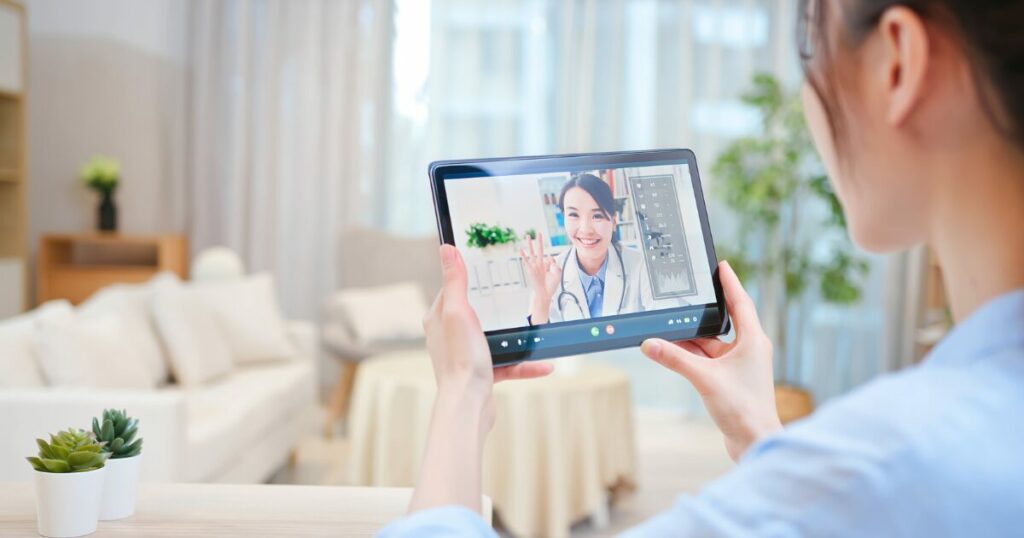
In-person events are great, but webinars let you collect email leads. The trick is to stop being generic. A webinar called “General Health” will get zero sign-ups, while a webinar about a specific problem will draw a crowd.
Pick topics people actually care about.
- “Living with Knee Pain: When is Surgery Right?” (This pulls in orthopedics leads.)
- “Understanding Your Fertility Options” (This reaches OB/GYN leads.)
- “Managing Life After a Heart Attack” (This targets cardiology leads.)
9. Make your website ready for voice search

More people are using Siri, Alexa, and Google Assistant to find doctors. These searches are almost always questions. To show up in those results, your website content needs to sound like a conversation.
Write like people talk.
- Use question headers. Write your H2s and H3s as questions (for example, “Where can I get an X-ray in [City Name]?”).
- Write conversational answers. Keep answers under 40 words so voice assistants can read them out loud easily.
- Focus on “Near Me.” Make sure your location pages clearly list your city, neighborhood, and zip codes.
GET IN TOUCH
Get 30 New Patients in 60 Days
Your practice doesn’t need more clicks.
It needs patients in chairs and revenue on the books.
We’ll build you a full patient acquisition system—HIPAA-compliant, clinician-approved, and tied to results you can actually measure.
10. Add chatbots to your website for 24/7 patient support
Patients want fast answers. Current data shows that 91% of patients expect a response within 24 hours. If your front desk is closed, you’re losing appointments.
AI-powered chatbots can answer questions and book appointments around the clock. This makes the patient experience better and lowers your office costs.
Here’s what chatbots can do:
- Instant answers. Patients get immediate responses about insurance or office hours.
- After-hours booking. The bot can schedule appointments even at 2:00 AM.
- Symptom triage. Advanced bots can guide patients to the right level of care (ER vs. Urgent Care).
11. Send a “new mover” direct mail campaign to reach new residents
People who just moved to your city don’t have a doctor yet. They’re the perfect audience for hospital marketing. Direct mail is an old-school tactic, but it works really well for this specific group.
Send new neighbors the right stuff.
- Welcome packet. Include a magnet with emergency numbers and a map to your nearest clinic.
- Free offer. Add a coupon for a free first-aid kit if they come in for a checkup.
- Provider list. Include a simple card listing family doctors who are accepting new patients.
12. Make health fun with gamification challenges

Gamification means turning health goals into games or challenges. It boosts your hospital social media marketing efforts, too. The healthcare gamification market is expected to grow to $5.36 billion in 2025. Simple challenges can build a community around your brand.
Try these gamification ideas.
- Step challenges. Create a community walking challenge where people log steps for a chance to win prizes.
- Hydration trackers. Offer a branded app or checklist for tracking daily water intake.
- Digital badges. Award badges in your patient portal when patients hit health milestones like getting a flu shot or finishing an annual exam.
Marketing isn’t just about bringing in more patients.
It’s also about building your credibility as a healthcare provider. These tactics are built to give you results in the short and medium term. But you need a marketing partner who gets the medical industry.
GET IN TOUCH
Get 30 New Patients in 60 Days
Your practice doesn’t need more clicks.
It needs patients in chairs and revenue on the books.
We’ll build you a full patient acquisition system—HIPAA-compliant, clinician-approved, and tied to results you can actually measure.
Frequently Asked Questions
How quickly can PPC campaigns bring in new patients?
PPC (Pay-Per-Click) advertising is one of the fastest ways to grow patient volume. Organic SEO can take months to build up. PPC campaigns for high-value keywords (like “urgent care near me” or specific surgeries) put your hospital at the top of search results right away. That means you capture patients who are actively looking for care right now.
Why is optimizing a Google Business Profile (GBP) so important?
Optimizing your GBP helps your hospital show up in the Map Pack, which is the top 3–4 local listings on Google. Since 77% of patients search online before booking, landing in that spot is huge for reaching local people. A verified profile with photos, updated hours, and Q&As drives calls and foot traffic way more effectively than general website SEO.
What’s the best way to improve hospital online reviews?
The best move is to automate the process. Use systems that send text messages to patients about 2 hours after their appointment, asking for feedback. Training front desk staff to mention reviews during checkout helps a lot too. Responding to all feedback (positive or negative) within 24 hours builds trust and boosts your star rating.
How is a Physician Liaison program different from regular marketing?
A Physician Liaison program focuses on building B2B relationships (business-to-business connections) instead of marketing directly to patients. A liaison visits local family doctors to build trust and make referring patients to your specialists easy. This medium-term strategy creates a steady, reliable flow of patients through professional recommendations rather than ad spending.
Does direct mail still work for hospital marketing in 2026?
Yes, especially for New Mover campaigns. Direct mail works really well when you target people who just moved to your city and don’t have a primary care doctor yet. Sending a welcome packet or a free offer helps your hospital become their first choice before they start looking elsewhere.
Why should hospitals use short-form video instead of long educational content?
Attention spans are getting shorter, and 73% of consumers prefer short-form video (like TikTok or Reels) to learn about services. Short, real clips of doctors introducing themselves or explaining procedures in under 60 seconds build trust and grab attention way better than long, polished corporate videos.
Can chatbots really make the patient experience better?
They absolutely can. Data shows that 91% of patients expect a response within 24 hours. AI-powered chatbots give instant answers to common questions and let patients book appointments 24/7, even when your office is closed. This stops patients from leaving for a competitor that offers faster booking.
Need help with hospital marketing?
Get a custom strategy built on clinical experience — not generic marketing playbooks.
